


Why Choose Us
Professional Team
We have our own R&D team and now have a series of exclusively developed fabrics, and we can also provide COOLMAX⑧/THEMOLITE⑧/RPET fabrics, UPF50+, antibacterial, and reflective products.
Accept ODM/OEM service
We provide OEM and ODM services to customers worldwide. From knitting, dyeing, printing to manufacturing, all processes are under control.
Competitive Price
We have a professional purchasing team and costing team,trying to reduce costs and profits,and provide you with a good price.
24H Online Service
Respond quickly to ensure you receive timely help and support to the greatest extent possible.
What is Neck Gaiter
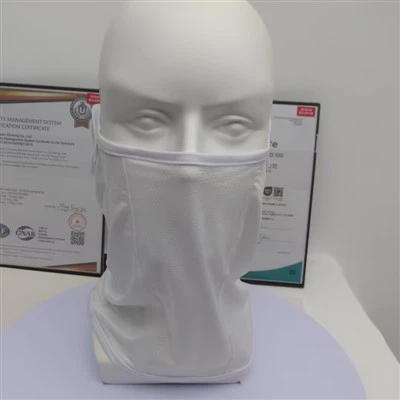
A neck gaiter is a neck accessory or enlarged collar of clothing that is worn around the neck to provide warmth. It is usually a closed tube of fabric, usually thick wool, merino wool, synthetic moisture-wicking material, or knitted material, that goes on and off the head to cover the entire neck and conserve body heat. Some balaclavas are essentially a small hood that attaches to the neck. Like calf gaiters, neck gaiters enhance the protection provided by other garments.
-

RPET Seamless Buff Neck Gaiter
Environmentally Friendly Recycled FabricLightweight & 2-way Stretch & BreathableVivid Color by Digital PrintingSmall & Rush Order Accepted, MOQ 100PCS
Add to Inquiry -
Pure Black Polar Fleece Headscarf
Pure Black Polar Fleece Headscarf is a must-have accessory. Made from high-quality polar fleece, it offers exceptional softness and warmth. The pure black color gives it a classic and versatile look,
Add to Inquiry -
Short Icecool With Ear Loops Neck Gaiter
Short Icecool With Ear Loops Neck Gaiter is a must-have accessory. Made with advanced cooling fabric, it offers instant relief on hot days. Its short length design is stylish and practical, fitting
Add to Inquiry -
Simple Minimalist Polyester Bandana
Simple Minimalist Polyester Bandana features simplicity without complicated patterns or adornments, showing a minimalist style, which is suitable for those who pursue simple fashion. The polyester
Add to Inquiry -
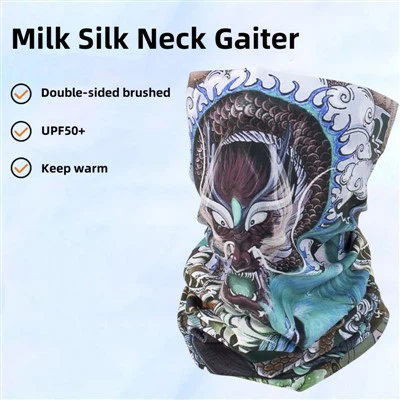
UPF50+ Thermo Double Milk Silk Neck Gaiter
UPF50+ Thermo Double Milk Silk Neck Gaiter is a must-have for outdoor enthusiasts. Made of double brushed milk silk, it offers exceptional softness and comfort. With UPF50+ sun protection and
Add to Inquiry -
UPF50+ Brushed Milk Silk Neck Gaiter
UPF50+ Brushed Milk Silk Neck Gaiter is truly top-notch. Crafted from brushed milk silk, it takes on an even more upscale appearance once brushed. Boasting a UPF50+ rating, it offers superb sun
Add to Inquiry -
UPF50+ Elastic COOLBUFF Neck Gaiter
UPF50+ Elastic COOLBUFF Neck Gaiter is truly an outstanding item. Boasting a UPF50+ rating, it provides superb sunshield, safeguarding your neck against harmful UV rays. Crafted from elastic stuff,
Add to Inquiry -
UPF50+ Icecool Neck Gaiter is a must-have accessory. Boasting a UPF50+ rating, it provides superb sun protection, guarding your neck against harmful ultraviolet rays. The icecool fabric keeps you
Add to Inquiry -
COOLMAX Ecomade Quick Dry Neck Gaiter
COOLMAX Ecomade Quick Dry Neck Gaiter is made of 100% recycled coolmax polyester fiber. This fabric is more environmentally friendly and reduces the burden on the earth. In addition, it has good
Add to Inquiry -
Seamless Mesh Icecool Neck Gaiter
Seamless Mesh Icecool Neck Gaiter adopts a seamless design, which fits the skin and is beautiful and comfortable. The mesh material has good breathability and brings a cool feeling. The UPF50+ index
Add to Inquiry -
UPF100 Super Soft Neck Gaiter is crafted from recycled super soft material, providing you with an extremely comfortable wearing experience. This innovative choice not only shows an eco-friendly
Add to Inquiry -
Dyeable Merino Wool Neck Gaiter
Dyeable Merino Wool Neck Gaiter is a multifunctional and dyeable merino wool neck gaiter. It is made of high-quality merino wool, which is soft, comfortable and warm. The dyeable design meets
Add to Inquiry





Benefits of Neck Gaiter
Sun Protection
While SPF is a key ingredient to successful fishing, sometimes sunscreen just doesn't cut it - which is when a neck gaiter comes in handy. Particularly on hot, sunny days or in equatorial regions where the sun is especially intense, a neck gaiter becomes your personal protector against the sun's harmful rays, offering additional coverage for your face and neck. When searching for the best neck gaiter for fishing, look for material offering UPF 50 protection, meaning that it only lets 2% (1/50th) of sun rays through - and therefore blocks 98% of UV rays.
Wind (and Hat!) Protection
You're on the boat, it's windy, and it's bright: a double whammy of weather woes. On windy waters and sunny days, Neck Gaiter offer dual protection against wind burns and flying hats. With a neck gaiter, you can have your baseball hat and wear it, too: simply tuck it under the gaiter for a snug fit, keeping the brim in place for a clear view on bright, windy days. Bonus points are awarded to the neck gaiter for protecting your face and neck from the sting of harsh winds.
Extreme Temperature Protection: Hot AND Cold
Combine high-speed wind with wintry temperatures, and fishing becomes a truly bone-chilling ordeal. In the case of extremely cold or hot temperatures, a fishing neck gaiter can be a life-saver for fishermen, particularly those who plan to fish in the dark months of winter. Simply pulling the gaiter over your nose can make a cold day of fishing considerably more enjoyable, comfortable, and oftentimes, more productive: if you can still feel your face by the end of the day, consider it a job well done. In the heat of summer, you can use the neck gaiter as a sweatband by rolling it over a few times and wrapping it around your forehead, or even your wrist to swipe away the sweat on your brow.
Improved Visibility
Whether it's a hot, sunny day or a foggy morning, Neck Gaiter are a hidden superpower to enhance visibility on the water, particularly for fishermen who wear glasses. Even in choppy waters or on humid days, the moisture-wicking fabric keeps you dry and prevents your glasses from fogging up. Neck gaiters can even reduce the glare on the skin around your eyes (which, believe it or not, is a reflective surface!) to increase your visibility while operating the boat. As mentioned above, a fishing gaiter also helps keep the brim of your baseball cap in place, minimizing direct sunlight in your eyes and maximizing your vision.
Types of Neck Gaiter
Ankle Gaiters
These are the most common type of gaiter. They offer an extra layer of protection for your ankles and the area between your shoes or boots and your pants. Ankle gaiters are optimal for weather conditions that are fair and not too wet. They are ideal for hiking in the sun, trail running or rock climbing.
Trail Gaiters
These are usually made with a lightweight, breathable material, and go to your shins or just below the knees. Trail gaiters are great for hiking on wet trails or winter activities such as cross-country skiing.
Mountaineering Gaiters
Sometimes called expedition gaiters, mountaineering gaiters reach all the way up to your knees for added protection while traveling through mounds of snow. Think about purchasing these if you'll be alpine climbing or going on a multiple-day winter backpacking journey.
Snow Gaiters
These are best suited for harsh snowy conditions and come with an extension to properly fit over your snow boots. Snow gaiters are a must for skiing or snowboarding down a snow-packed mountain. Many ski/snow pants often have snow gaiters built into them.

Merino wool
All our Merino neck gaiters are made by ethically sourced wool. When owning one of them, you get all these features: Merino wool has excellent thermoregulatory properties, helping to keep the wearer warm in cold conditions and cool in warmer weather. It wicks moisture away from the skin, maintaining comfort. Merino wool has natural antimicrobial properties that help resist the growth of odor-causing bacteria. This makes it suitable for extended wear without developing unpleasant smells.
Technical yarns
Our technical fabrics like ThermoNet® and Dryflx® are synthetic fibers engineered for specific purposes, such as reflectivity or enhanced thermal properties. The benefits of our technical neck gaiters are: Neck gaiters with reflective elements enhance visibility in low-light conditions. This is particularly important for outdoor activities such as running or cycling, providing an added safety feature.Technical yarns designed for thermal insulation help retain body heat in cold environments. This is ideal for winter sports, hiking, or any outdoor activity in chilly conditions.
Recycled plastic
Neck gaiters made from recycled plastic often use materials like recycled polyester, derived from post-consumer plastic bottles. Utilizing recycled plastic reduces the demand for new raw materials and helps divert plastic waste from landfills. This contributes to environmental conservation efforts.
Cycling
Imagine cruising down a hot summer road, wind in your hair. That's where the neck gaiter comes in for cyclists.It shields us from the scorching sun, wicks away sweat, and blocks wind and bugs. Plus, in the city, it's our defense against smog.
Camping
Whether you're setting up camp or exploring new destinations, a neck gaiter is a handy companion.It offers lightweight sun protection without weighing down your backpack.Plus, it can offer some level of protection against insects and ticks in wooded areas.
Travelling and excursions in the city
Even urban adventurers can benefit from the versatility of a neck gaiter. From morning jogs to outdoor brunches, it provides UPF sun protection without sacrificing style.Its moisture-wicking properties keep you cool and dry, making it an ideal accessory for navigating the concrete jungle in the summer heat.In crowded tourist spots or bustling markets, it can also serve as a makeshift mask, offering a layer of protection and peace of mind.

Face mask
The classic neck gaiter configuration, simply pull the neck gaiter over your mouth and nose for protection from dust, wind and other elements. The Face Mask configuration is also good for keeping the sun off your neck during long days of solar exposure.
Sunguard
As the name implies, this configuration maximizes protection from the sun in tandem with a ballcap. To don, pull your neck gaiter over your head and chin, but let the top sit toward the back of your scalp. To lock it into place, put on a baseball cap or any other hat and be sure it fits snugly over the neck gaiter fabric to prevent slipping.
Hood
To wear your neck gaiter as a hood, pull the fabric over your head and situate the bottom snugly around the bottom of the chin. Pull the upper portion up around your scalp, leaving the majority of your face (nose, mouth, eyes) uncovered for total ease of breathing, rear skin protection and hair management.
Cap
Ready in a snap to take on the duties of a beanie, the neck gaiter can easily become an insulative head covering when temps dip or you need a sweat collector. Just turn the gaiter inside out, spin in the middle, then fold one side in on the other to form a skull-cap ready for the chill of a crisp mountain run or frosty morning walk.
Balaclava
Easier than you'd imagine to form, the balaclava is highly useful when you want your entire scalp and neck covered, but also your nose and mouth. What's Step #1? Apply the gaiter in the same way you'd do a hood, but once it's fastened into the hood configuration, pull fabric from below your chin up over your nose to create a double complete head covering. For a visual demonstration, check out the video at 1:16 for a play-by-play demo!

Material
Most neck gaiters are made of breathable, light materials, including polyester and spandex. Moreover, some gaiters include unique textiles with moisture-wicking qualities. Choose a fabric that is cozy, keeps you warm in the winter, and cool in the summer.
Design
Neck gaiters come in a range of patterns and colors, including solid hues. Choose a style that you enjoy and will go with the rest of your wardrobe.
Style
There are several different types of neck gaiters to choose from. However, it's best to choose a look that you are at ease wearing and that will keep you cool in the summer and warm in the winter.
Fit
In terms of fit, make sure to measure your neck and choose the right size for you. A good fit is important for comfort and style.
How to Choose Neck Gaiter
The Material
The material of a neck warmer will impact how warm it keeps you and how quickly it will dry. How fast it will dry is more for the benefit of repelling sweat and moisture from breathing as opposed to keeping your neck dry in the rain.The most popular material for most neck warmers is Polyester. It is excellent at keeping out the wind and is fast drying. These are both essential functions for a neck warmer. Also, the breathability of polyester helps to prevent odour-causing bacteria from building up on the insider of your neck warmer, especially important if you are looking for it to cover your mouth in addition to your neck. The main negative to Polyester is that it is not as soft and comfortable as other materials such as nylon and does not stretch as well as materials such as elastane.
The Temperature
The temperature you are looking to cycle in will affect which material is best for you. Do not get too hooked up on the thickness of a neck warmer. In theory, you would think that the thicker, the better. However, you soon warm up on the bike, and you do not want to be left feeling uncomfortable with a sweaty and moist neck.For colder conditions, a neck warmer that is long and comfortable enough to reach over your nose and mouth are perfect. It will help to take the sting out of taking in mouthfuls of chilly winter air.
The Size and Fit
A tubular design that you pull over your head is still the most common neck warmer design for cyclists. They are easy to put on and very versatile. Extra-long versions can even be used to cover your whole head and keep your ears protected from the wind.A good neck warmer should be long enough to cover the lower part of your face in addition to your neck. Although neck warmers are not as effective as pollution masks for cycling at filtering out harmful emissions. They can give you a layer of protection while cycling on the traffic-clogged roads.
Design
What you look like on the bike is important, so find a neck warmer that suits your style. They come in a wide range of colours and designs. The most common and versatile is black, but that does not mean that you cannot use a neck warmer to add a splash of colour to your cycling get up.Look for a neck warmer that is seamless. Due to their tubular design, some neck warmers come with a seam connecting the two ends of the material. However, with regular use, this can become annoying as it twists around your face and neck, feeling uncomfortable and leaving you to have to unravel or turn the neck warmer repeatedly.
●After removing, rinse with clean water.
●With a small brush, remove any dirt with mild liquid soap. Use an old toothbrush when caring for the velcro to keep straps from sticking together.
●Air dry Neck Gaiter for a few hours, then properly store them in a cool, dry place away from the sun. Close the zippers and close the velcro straps.
●Machine washing or drying can damage velcro straps, so it's best to wash gaiters by hand. If you end up with any tears or punctures, use a patch instead of trying to sew it.

Our Factory

Jinquan is the leading original source supplier of Seamless Tubular Fabric / Neck Gaiters / Headbands / Arm sleeves /Square bandanas/ Fan scarves/Beanie. We have our own R&D team and now we have a series of exclusively developed fabrics and we can also supply COOLMAX⑧/THEMOLITE⑧/ RPET fabric, UPF50+, anti-bacterial, reflective products.
Certificate


FAQ
Q: Why are neck gaiters banned at Disney?
Q: What is the difference between a neck warmer and a neck gaiter?
Q: What is the difference between a buff and a neck gaiter?
Q: Is it worth wearing gaiters?
Q: Are gaiters worth wearing?
Q: Is a neck gaiter or balaclava better?
Q: How to choose a neck gaiter?
Q: When to wear a neck gaiter?
Q: Why do Australians wear gaiters?
Q: Do gaiters keep you cool?
Q: Do gaiters keep mud out?
Q: Do gaiters protect against snake bites?
Q: Do gaiters prevent ticks?
Q: What is the difference between a neck warmer and a neck gaiter?
Q: How to choose a neck gaiter?
Q: How to wear a neck gaiter as a skull cap?
Q: Should I use gaiters or not?
Q: Do gaiters protect against snake bites?
Q: Why do Australians wear gaiters?
Q: What is the difference between a neck warmer and a neck gaiter?
We're professional neck gaiter manufacturers and suppliers in China, specialized in providing high quality products and service. We warmly welcome you to wholesale customized neck gaiter from our factory. Contact us for pricelist.
neck warmer, reusable neck gaiter, cycling neck gaiter