


Why Choose Us
Professional Team
We have our own R&D team and now have a series of exclusively developed fabrics, and we can also provide COOLMAX⑧/THEMOLITE⑧/RPET fabrics, UPF50+, antibacterial, and reflective products.
Accept ODM/OEM service
We provide OEM and ODM services to customers worldwide. From knitting, dyeing, printing to manufacturing, all processes are under control.
Competitive Price
We have a professional purchasing team and costing team,trying to reduce costs and profits,and provide you with a good price.
24H Online Service
Respond quickly to ensure you receive timely help and support to the greatest extent possible.
What is Arm Sleeves
Arm sleeves are a medical supply that offers compression to the arms just as compression socks or stockings do for the legs.Arm sleeves are common among various types of athletes.The sleeves provide compression to cut down on swelling caused by some exercise and to help with recovery of the muscles. They improve blood circulation to the arms by applying gentle pressure. This improves the flow of oxygen and nutrients to the arms, which can help an athlete perform at their best and promote healing from intensive exercise or minor injury.
-

The sun can be a cyclist’s best ally or greatest enemy. When the sun is shining, nothing can stop us from getting on our bikes, but let’s not be careless, especially when we are wearing short-sleeved
Add to Inquiry -
Seamless UPF50+ Cooling Sports Arm Sleeves
Whether you're driving or hanging out in the street, easy to carry.. Elastic and comfortable to wear, you will be attractive in anywhere.
Add to Inquiry -
Graffiti Style Youths Cooling Arm Sleeves
Graffiti Style Youths Cooling Arm Sleeves are a trendy choice for young people. These arm sleeves feature vibrant graffiti-inspired designs that showcase unique creativity and urban charm. The
Add to Inquiry -
Niche Style Seamless Arm Sleeves
Niche Style Seamless Arm Sleeves feature a seamless design, ensuring maximum comfort and flexibility during wear.The niche style sets them apart, with trendy patterns and colors that appeal to those
Add to Inquiry -
Pastel Elegant SUFF Seamed Arm Sleeves
Pastel Elegant Seamed Arm Sleeves are a stylish and practical choice.Made with high - quality materials, these arm sleeves feature seamed construction for durability. The pastel colors give them an
Add to Inquiry -
Smooth UPF50+ Seamless Arm Sleeves
Smooth UPF50+ Seamless Arm Sleeves are crafted with a remarkably smooth texture that offers a sleek touch against your skin.They are designed with a seamless construction, ensuring maximum comfort
Add to Inquiry -
Comfortable UPF50+ Seamless Arm Sleeves
Comfortable UPF50+ Seamless Arm Sleeves are popular arm - protecting equipment in summer. They are made with special techniques, being seamless to avoid friction from stitches on the skin. Usually
Add to Inquiry -
Protection Elastic Seamless Arm Sleeves
Protection Elastic Seamless Arm Sleeves boast remarkable sun protection capabilities. Boasting a UPF50+ sun protection factor, it can effectively shield more than 98% of ultraviolet rays. Crafted
Add to Inquiry -
UPF50+ Elastic Arm Sleeves is a high-performance arm sleeve product. It has excellent sun protection function and can effectively block more than 98% of ultraviolet rays, protecting your skin from
Add to Inquiry -
UPF50+ Cooling Seamless Arm Sleeves
UPF50+ Cooling Seamless Arm Sleeves is a high-performance arm sleeve product. It has excellent sun protection function and can effectively block more than 98% of ultraviolet rays, protecting your
Add to Inquiry -
Using our unique kitting technology,this full-arm coverage.silk soft,UPF50+,ligntweight,4-way stretchy item is designed for summer.It's an ideal necessary for sunny days.
Add to Inquiry -
Using our unique kitting technology,this full-arm coverage.silk soft,UPF50+,ligntweight,4-way stretchy item is designed for summer.It's an ideal necessary for sunny days.
Add to Inquiry


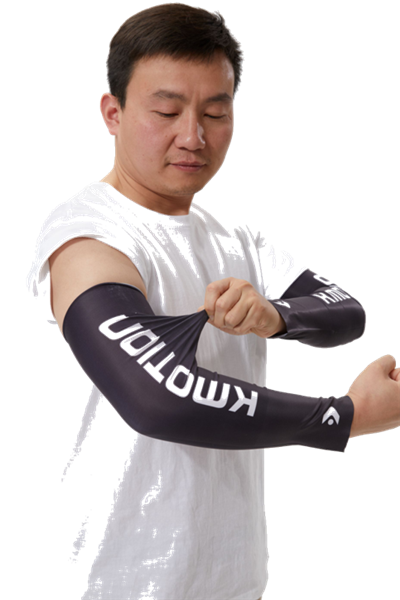
Benefits of Arm Sleeves
Injury Prevention
Firstly, Arm Sleeves significantly aid in injury prevention. By reducing muscle vibration during physical activity, they reduce muscle damage which also curtails the dreaded delayed onset muscle soreness (DOMS). This feature makes them a favorite among athletes who engage in high-excursion sports. Thus, the recovery time post intense physical activity is remarkably shortened.
Better Performance
Then, there's the pronounced improvement in athletic performance. The enhanced blood flow facilitated by the sleeves doesn't just quicken the removal of waste products like lactic acid but also delivers oxygen-rich blood more promptly to the exercising muscles. This improves performance due to the availability of more fuel for the working muscles, thus reducing muscle fatigue.
Medical Benefits
But it's not just athletic prowess that's being aided here. The medical benefits of Arm Sleeves have been well-documented. For instance, Arm Sleeves are beneficial for individuals susceptible to, or dealing with, varicose veins or blood clots. Even conditions like shin splints are often managed better with the use of a calf compression sleeve.
Temperature Regulation
We've all added that extra layer that we've regretted, just as we're a tad too far to turn back. Compression Arm Sleeves not only offer versatility, but by their very nature, they also regulate your body temperature thanks to improved circulation.Arm Sleeves also have built-in wicking, keeping you dry and helping with temperature regulation.

Athletic compression
For athletes, the impact of arm sleeves cannot be overstated. These sleeves serve as a pivotal tool in enhancing athletic performance and facilitating muscle recovery. When worn, the sleeves exert pressure that boosts blood circulation, leading to increased oxygen delivery to the muscles.this process of enhanced oxygenation is crucial in improving both performance and endurance, allowing athletes to push their limits. Additionally, arm sleeves play a significant role in reducing muscle oscillation during physical activities. This reduction in muscle movement is key in decreasing fatigue, enabling athletes to train more effectively and for longer durations.
Medical compression
Medical arm sleeves play a crucial role in both the treatment and prevention of a variety of health conditions. They are particularly beneficial for managing lymphedema, where they significantly aid in reducing swelling and enhancing the circulation of lymphatic fluid.this improvement in lymphatic flow is vital for patients dealing with such conditions. Additionally, arm sleeves are highly effective in addressing symptoms associated with venous disorders, including varicose veins and deep vein thrombosis. By improving blood flow and reducing venous pressure, these sleeves offer relief and support in managing these disorders.
Everyday wear compression
Arm sleeves are a valuable asset not only for athletes and medical patients but also for everyday health and comfort. Their regular use is particularly advantageous for individuals with sedentary lifestyles or those who find themselves standing for prolonged periods.the sleeves work effectively to maintain optimal blood flow, a crucial aspect for overall health and well-being. Additionally, they are instrumental in reducing swelling in the legs and feet, a frequent issue faced by people who spend much of their day either sitting or standing.
What do Arm Sleeves do?
Pads for Protection
You may notice that athletes, especially football players, will have a flexible pad on the forearm or elbow portion of their arm sleeve. These players wear arm sleeves for the added protection that the padding offers. Elbow injuries can end the season for a football player. The simple padding on an arm sleeve reduces the risk of injury during hard hits or tackles to the ground.
Arm Sleeves Take The Burn
Arm sleeves that are made from quality material can take lots of abuse. Sports players in contact sports often use sleeves to prevent "rug burn" and skin rash from contact with the playing surface. This is especially needed on turf fields where skin rash can be quite painful.
Arm Sleeves Block UV Rays
Runners, bikers, golfers, and other athletes who spend hours in the sun can benefit from the UV protection that arm sleeves provide. Sleeves made from quality material wick sweat and keep you cool, so wearing them is not a burden in hot weather. The UV protection can reduce the risk of significant sunburns and UV exposure.
Tattoo Coverage
Arm sleeves are often used to cover tattoos that may be considered offensive or inappropriate. Even athletes use them for this purpose. Allen Iverson, a former NBA star, is often credited for popularizing the arm sleeve. Evidently, he had to wear one to cover an arm tattoo during play.
Arm Sleeves Just Look Cool
Finally, athletes at all levels wear arm sleeves to add a flare of style. Let's face it, arm sleeves look slick and can compliment team colors or be used to send a message. There is some truth to the statement "look good, feel good, play good." Some athletes just like the look of arm sleeves.
Arm Sleeves Enhance Performance & Reduces Chance of Injury
The compression benefits that aid recovery for athletes also enhances game-time performance. From basketball players to major league pitchers and tennis pros, arm motions are critical to their playing careers. The muscle support and improved circulation from compression sleeves gives many athletes an edge over the competition.
In Athletics
Athletes often wear compression aids to improve performance, reduce muscle soreness, and speed up recovery after intense physical activity.
For Medical Purposes
They are used in medical settings to assist in the treatment of lymphedema, deep vein thrombosis, and other circulatory issues.
Everyday Use
Many people wear compression daily to alleviate discomfort from prolonged standing or sitting, or to support weak or injured limbs.

What are Arm Sleeves Made From?
Nylon
Nylon is one of the main elements of compression wear. It's a silky, smooth material made of plastic and the combination of diamine and dicarboxylic acid atoms. Nylon is a strong, lightweight, easily washable material that resists shrinkage and increases the comfort of clothing. Within compression gear, nylon makes up the majority of the fabric used. For example, many of Jomi Compression's compression knee-highs are made up of between 70 and 82 percent nylon.
Spandex
“Spandex,” which is an anagram for the word “expands,” is a term used only in the United States. One of the most stretchable fabrics available, spandex is a lightweight synthetic fabric known for its expansive and durable properties. Commonly used in sportswear and athleisure wear, it's also the other main component that makes up compression wear, as it's another one of the main materials that creates the compression. Most of Jomi Compression's products are made up of at least 20 percent spandex. Spandex is never used alone in clothing; it's always paired with other materials.
Silicon
Silicon is a chemical element used for many different applications. In compression, it is minimally used to increase the ease of wear and the comfort of the wearer. It's primarily used for the support bands that keep compression gear from slipping at the top. Silicon dots can be found on certain models of compression stockings and socks.
Cotton
Cotton is a material made from a cotton plant. It's used in almost all clothing types, and compression wear is no exception. Small percentages of cotton are used with the main materials, nylon and spandex, to create a softer and more luxurious feel.
How to Choose Arm Sleeves
Understand your needs
First and foremost, it's important to identify the primary reason for needing a compression sleeve. Are you looking to enhance sports performance, address a medical condition, or simply seeking daily comfort? Different objectives necessitate different types of sleeves, each with varying levels of compression. Understanding your specific needs is the first step in choosing the right sleeve.
Get the right fit
The fit of your compression sleeve is crucial. It should be snug but not uncomfortably tight, providing even compression without causing discomfort or restricting movement. Incorrect sizing can not only be ineffective but may also lead to adverse effects. Ensuring a proper fit is key to reaping the full benefits of compression therapy.
Consider the material
The material of the compression sleeve is another important factor. Look for high-quality, breathable fabrics that are comfortable for extended wear. The material should also be durable and easy to care for, ensuring that your sleeve remains effective over time.
Check compression level
Arm sleeves come in various levels of compression, typically measured in mmhg (millimeters of mercury). The level of compression you need may vary; athletes often prefer lower compression for greater flexibility, while certain medical conditions might require higher compression levels. Understanding these nuances is important in selecting a sleeve that meets your specific requirements.
Consult with experts
At care-med, our in-house chiropodists and pedorthists are well-equipped to guide you in choosing the right compression sleeve. They can help with accurate measurements, recommend the appropriate compression level, and suggest the best type based on your individual needs.
Try before you buy
Whenever possible, it's advisable to try on different arm sleeves to gauge how they feel. Pay attention to the fit and whether the sleeve stays in place without sliding down. This hands-on approach can be invaluable in finding the sleeve that feels right for you.
How to Maintain Arm Sleeves


Follow washing instructions
Always check the label for specific washing instructions. Most arm sleeves should be washed in cold water with mild soap. Avoid using fabric softeners or bleach, as these can degrade the elastic fibers.
Hand wash when possible
Hand washing is gentler on arm sleeves than machine washing. If you must use a washing machine, place the sleeves in a lingerie bag to protect them from getting stretched or torn.
Air dry
Avoid using a dryer, as the heat can damage the elastic fibers. Instead, lay the sleeves flat or hang them up to air dry. Keep them away from direct sunlight and heat sources, as these can weaken the material.
Rotate sleeves regularly
If you wear arm sleeves frequently, consider having multiple pairs. Rotating them will reduce wear and tear, extending their life.
Avoid rough surfaces
Be mindful of rough surfaces that can snag or tear the fabric. When putting on or taking off your sleeves, take care not to pull them too hard or scratch them with fingernails or jewelry.
Inspect regularly
Regularly check your sleeves for signs of wear and tear, such as thinning material, holes, or reduced elasticity. Replace them if they start to lose their compression or show significant signs of wear.
Store properly
When not in use, store your arm sleeves in a cool, dry place. Avoid folding or rolling them tightly, which can stretch the fabric. Instead, lay them flat or loosely roll them.
Our Factory

Jinquan is the leading original source supplier of Seamless Tubular Fabric / Neck Gaiters / Headbands / Arm sleeves /Square bandanas/ Fan scarves/Beanie. We have our own R&D team and now we have a series of exclusively developed fabrics and we can also supply COOLMAX⑧/THEMOLITE⑧/ RPET fabric, UPF50+, anti-bacterial, reflective products.
Certificate


FAQ
Q: How do arm sleeves work?
Q: Do arm slimming sleeves really work?
Q: How long should you wear a compression sleeve on your arm?
Q: Do compression sleeves help with inflammation?
Q: Do compression sleeves help with lymphatic drainage?
Q: What is the most effective arm slimming procedure?
Q: Where should I start my arm sleeve?
Q: Does a full arm sleeve hurt?
Q: What is the point of wearing arm sleeves?
Q: Can I wear arm sleeves all day?
Q: Who uses arm sleeves?
Q: Do compression sleeves work for tendonitis?
Q: Do compression sleeves help saggy arms?
Q: How many hours a day should you wear a compression sleeve?
Q: When should you not wear compression sleeves?
Q: Why do athletes wear one sleeve?
Q: Do arm slimming sleeves really work?
Q: How tight should compression Arm Sleeves be?
We're professional arm sleeves manufacturers and suppliers in China, specialized in providing high quality products and service. We warmly welcome you to wholesale customized arm sleeves from our factory. Contact us for pricelist.
