

Is a neck gaiter breathable?
Sep 01, 2025
In the world of outdoor gear and protective accessories, neck gaiters have become increasingly popular. They serve multiple purposes, from protecting against the cold to shielding the neck and face from the sun and dust. One of the most common questions potential buyers ask is, "Is a neck gaiter breathable?" As a neck gaiter supplier, I'm here to provide a comprehensive answer based on scientific knowledge and practical experience.
Understanding Breathability
Before delving into whether neck gaiters are breathable, it's essential to understand what breathability means. In the context of textiles, breathability refers to the fabric's ability to allow air and moisture vapor to pass through. When we breathe, our bodies produce moisture in the form of water vapor. If the fabric we're wearing doesn't allow this moisture to escape, it can lead to a feeling of dampness, discomfort, and even skin irritation.
Factors Affecting Neck Gaiter Breathability
Several factors influence the breathability of a neck gaiter. These include the fabric type, weave, thickness, and any additional treatments or coatings.
Fabric Type
The choice of fabric is perhaps the most critical factor in determining breathability. Different materials have different inherent properties that affect how well they allow air and moisture to pass through.
- Cotton: Cotton is a natural fiber known for its breathability. It absorbs moisture well and allows it to evaporate relatively quickly, keeping the wearer cool and comfortable. However, cotton can become heavy when wet and may take longer to dry than some synthetic materials.
- Synthetic Fibers: Materials like polyester and nylon are commonly used in neck gaiters. They are often lightweight, quick-drying, and have good moisture-wicking properties. These fibers can pull moisture away from the skin and allow it to evaporate on the outer surface of the fabric, keeping the wearer dry. Some synthetic fabrics are also treated with special coatings to enhance their breathability and moisture management.
- Merino Wool: Merino wool is another popular choice for neck gaiters. It is naturally breathable, moisture-wicking, and odor-resistant. Merino wool can regulate body temperature by keeping the wearer warm in cold weather and cool in warm weather. It also has a soft texture that is gentle on the skin.
Weave
The way the fabric is woven can also impact breathability. A looser weave generally allows more air to pass through the fabric, making it more breathable. However, a looser weave may also be less durable and provide less protection from the elements. A tighter weave, on the other hand, may offer better protection but may be less breathable.
Thickness
The thickness of the neck gaiter can affect its breathability. Thicker fabrics tend to be less breathable because they trap more air and moisture. However, thicker neck gaiters may be more suitable for colder weather when warmth is a priority. Thinner neck gaiters are generally more breathable and are better for warmer conditions.
Treatments and Coatings
Some neck gaiters are treated with special coatings or finishes to enhance their performance. For example, a water-repellent coating can make the neck gaiter more resistant to rain and snow, but it may also reduce breathability. It's important to consider the trade-offs between different treatments and coatings and choose a neck gaiter that meets your specific needs.
Testing the Breathability of Neck Gaiters
To determine the breathability of a neck gaiter, several methods can be used. One common method is to measure the moisture vapor transmission rate (MVTR). The MVTR measures how much moisture vapor can pass through a fabric in a given period. A higher MVTR indicates better breathability.
Another way to test breathability is through subjective evaluation. This involves wearing the neck gaiter and assessing how comfortable it feels in different conditions. Factors such as moisture buildup, sweating, and overall comfort can provide valuable insights into the breathability of the neck gaiter.
Our Neck Gaiter Offerings
As a neck gaiter supplier, we offer a wide range of products designed to meet different needs and preferences. Our neck gaiters are made from high-quality materials and are carefully engineered to provide optimal breathability.
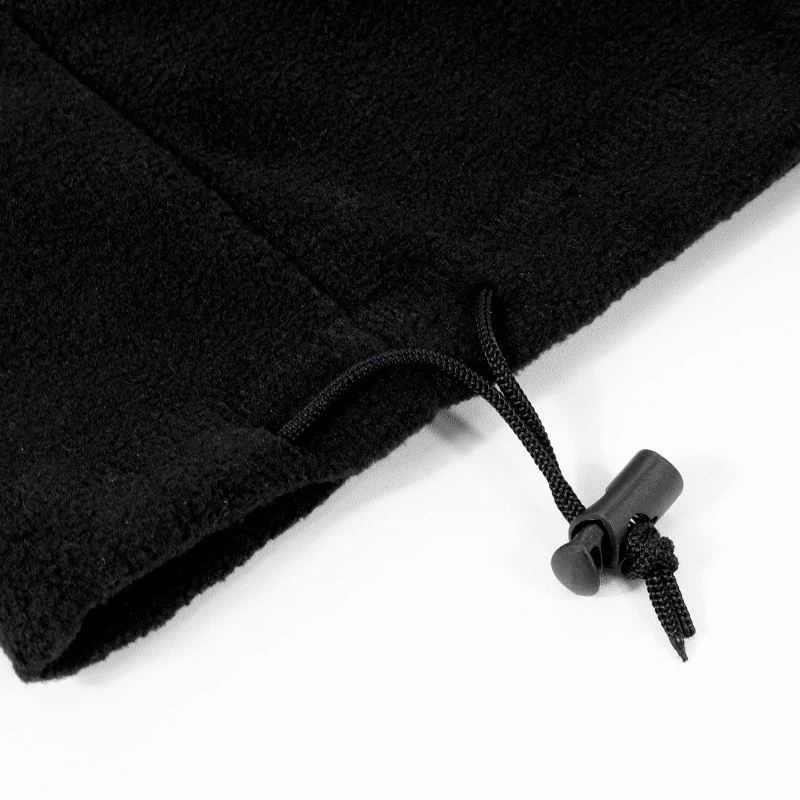
One of our popular products is the Pure Black Polar Fleece Headscarf. This neck gaiter is made from polar fleece, a synthetic fabric known for its softness, warmth, and breathability. The polar fleece has a loose weave that allows air to circulate freely, keeping the wearer cool and comfortable. It also has excellent moisture-wicking properties, which help to keep the neck and face dry.
In addition to our polar fleece neck gaiters, we also offer neck gaiters made from other materials such as cotton, merino wool, and synthetic blends. Each material has its own unique properties, allowing customers to choose the neck gaiter that best suits their needs.
Conclusion
In conclusion, the breathability of a neck gaiter depends on several factors, including the fabric type, weave, thickness, and any additional treatments or coatings. While some neck gaiters may be more breathable than others, it's important to choose a neck gaiter that meets your specific needs and preferences.

As a neck gaiter supplier, we are committed to providing high-quality products that offer optimal breathability and comfort. Our wide range of neck gaiters is designed to meet the needs of different customers, whether they are outdoor enthusiasts, athletes, or simply looking for a practical and stylish accessory.
If you're interested in learning more about our neck gaiter products or would like to discuss a potential purchase, please don't hesitate to contact us. We look forward to working with you to find the perfect neck gaiter for your needs.
References
- ASTM International. (2019). Standard Test Method for Water Vapor Transmission Rate Through Textile Fabrics Using a Dynamic Moisture Permeation Cell. ASTM D1653-19.
- ISO. (2016). Textiles - Determination of Physiological Properties - Measurement of Thermal Resistance and Water Vapour Resistance Under Steady-State Conditions (Sweating Guarded-Hotplate Test). ISO 11092:2014.
- Montagna, W., & Parakkal, P. F. (1974). The Structure and Function of Skin. Academic Press.